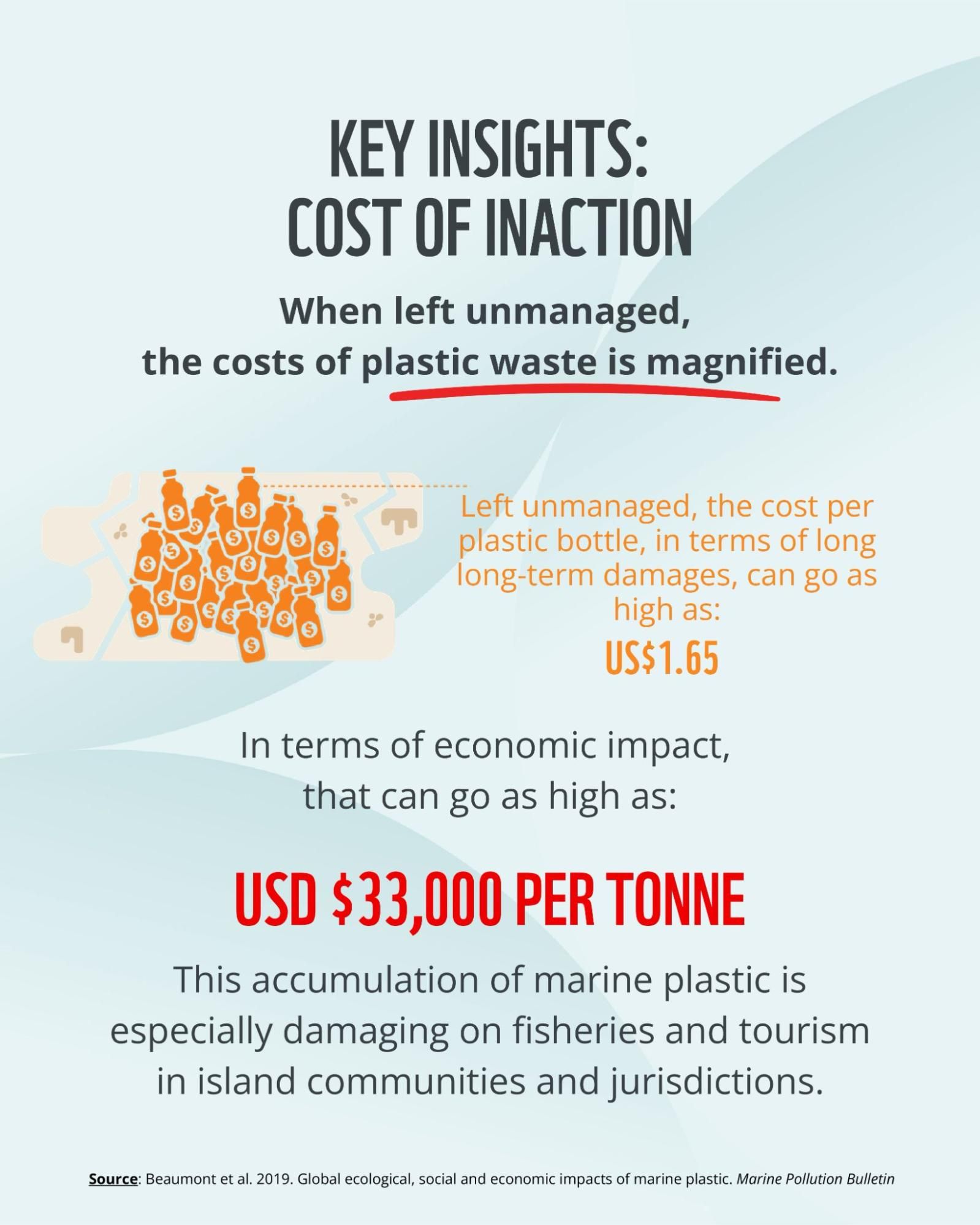
Across more than 27,000 islands in the Coral Triangle, at least 130 million people depend directly on marine and coastal resources. Keeping plastic out of this ecosystem requires waste systems designed specifically for island realities, overcoming low and dispersed recyclable volumes, high transport costs, limited local processing infrastructure, and seasonal tourism pressures.
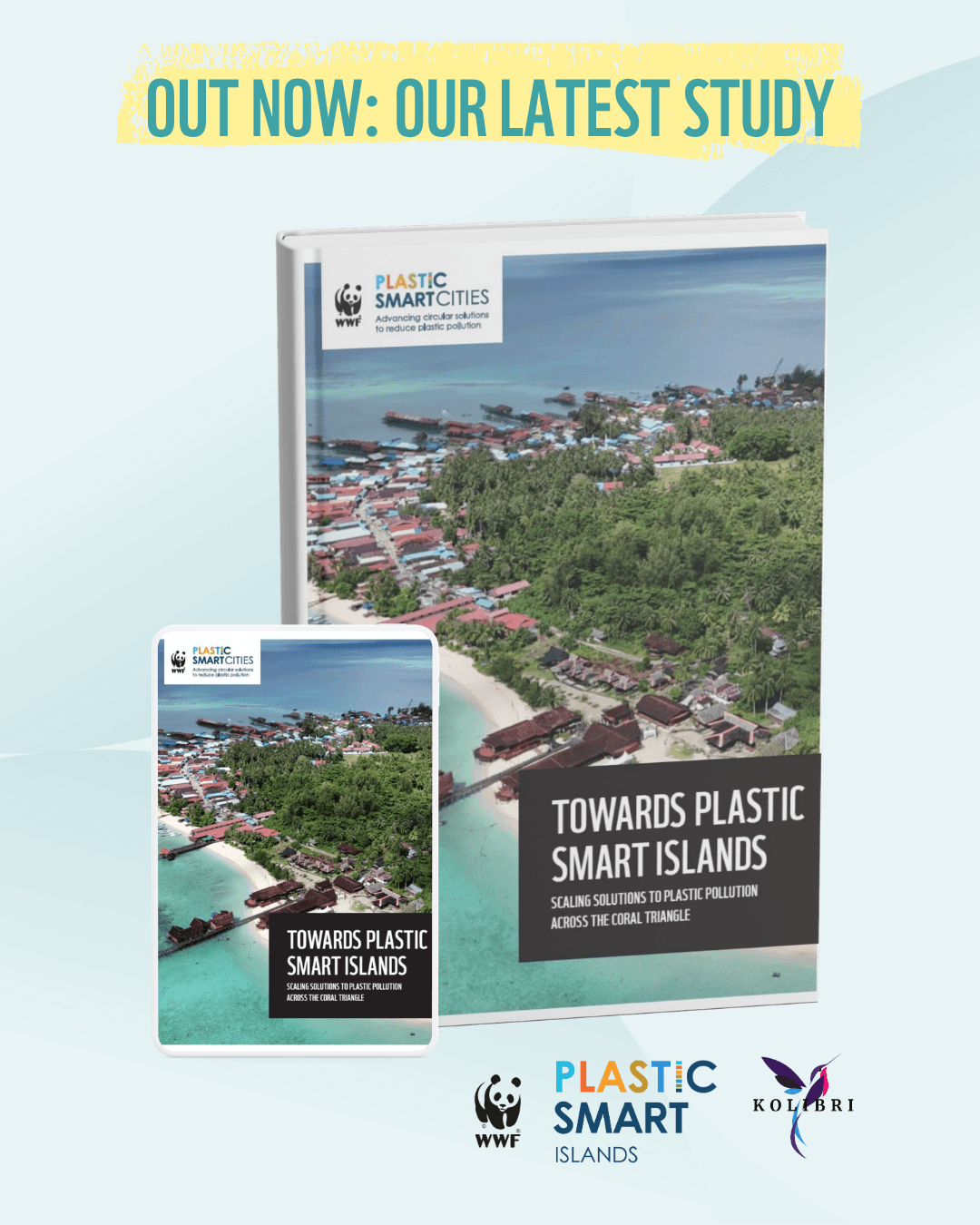
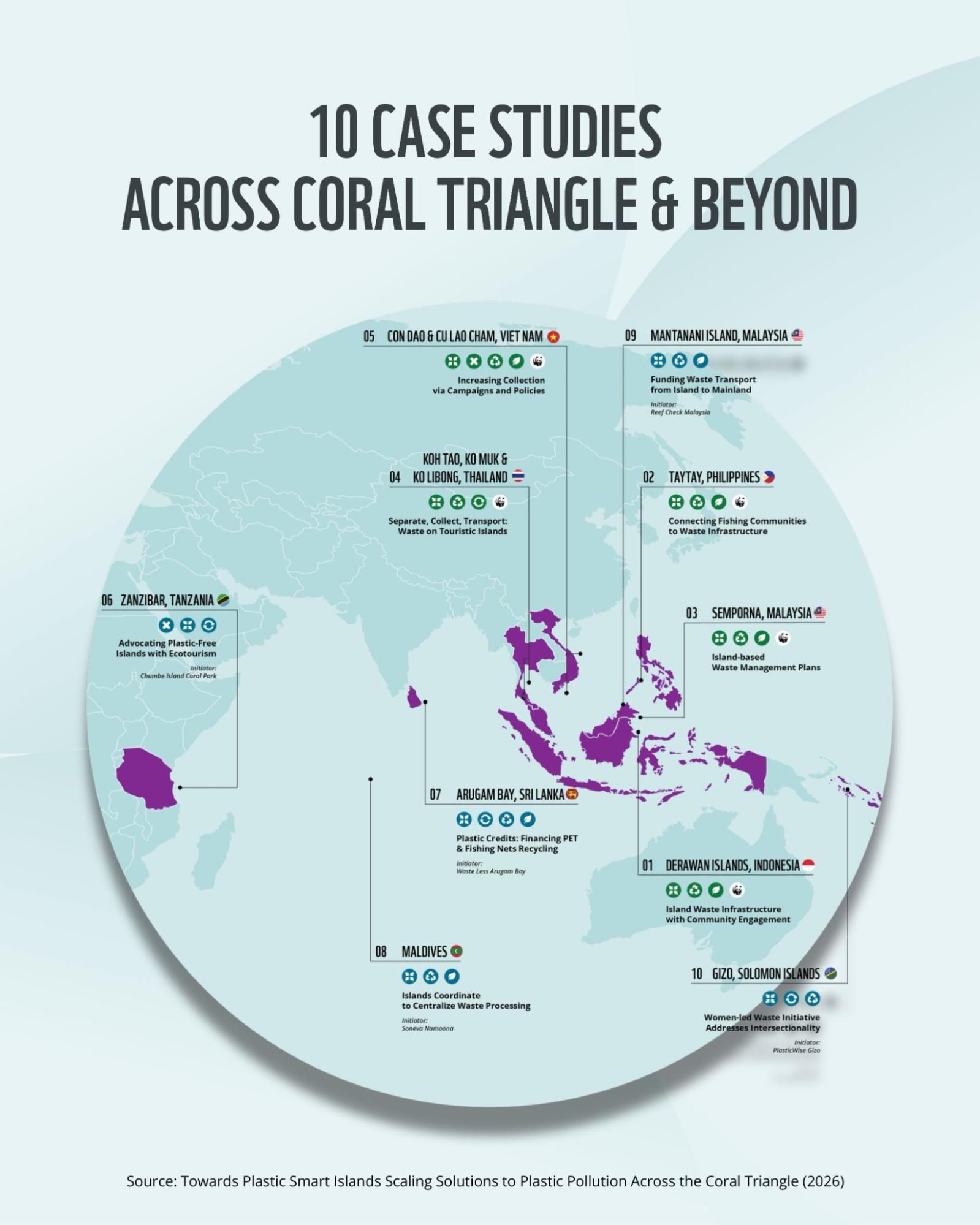
The Kolibri team led the research underpinning Towards Plastic Smart Islands: Scaling Solutions to Plastic Pollution across the Coral Triangle, developed by the WWF Coral Triangle Programme and Plastic Smart Cities. Drawing on a literature review, stakeholder interviews and an initial pool of 151 initiatives, the study selected 10 case studies for in-depth analysis. It translates lessons from these cases into practical priorities for strengthening and scaling waste-management solutions across island and coastal contexts.
The report distils the evidence into four critical thematic factors:
- Governance and Policy
- Capacity, Capability, and Technology
- Funding, Financing, and Access to Market
- Cross-Sectoral Collaboration and Other Value Chain Enabling Activities
Together, these factors define the enabling conditions required to strengthen waste management systems and scale effective solutions across island and coastal areas.
Read the complete report on Plastic Smart Cities (or Download the full PDF)
About the Authors
The research was led by Kolibri for Impact, the impact advisory practice of Kolibri Orbis. The practice advises mission-driven organisations on intervention strategy, capital mobilisation, delivery-system design, capability building, and the use of research, data and digital tools to shape evidence-based pathways for sustainable and inclusive impact.
This report is a collaborative effort by Dhia Fani, Vera Harludi, Tifani Lusiana, Hannah Greene, and Irfan Fahmi.